Looks like you wandered into an interview. Pull up a chair.
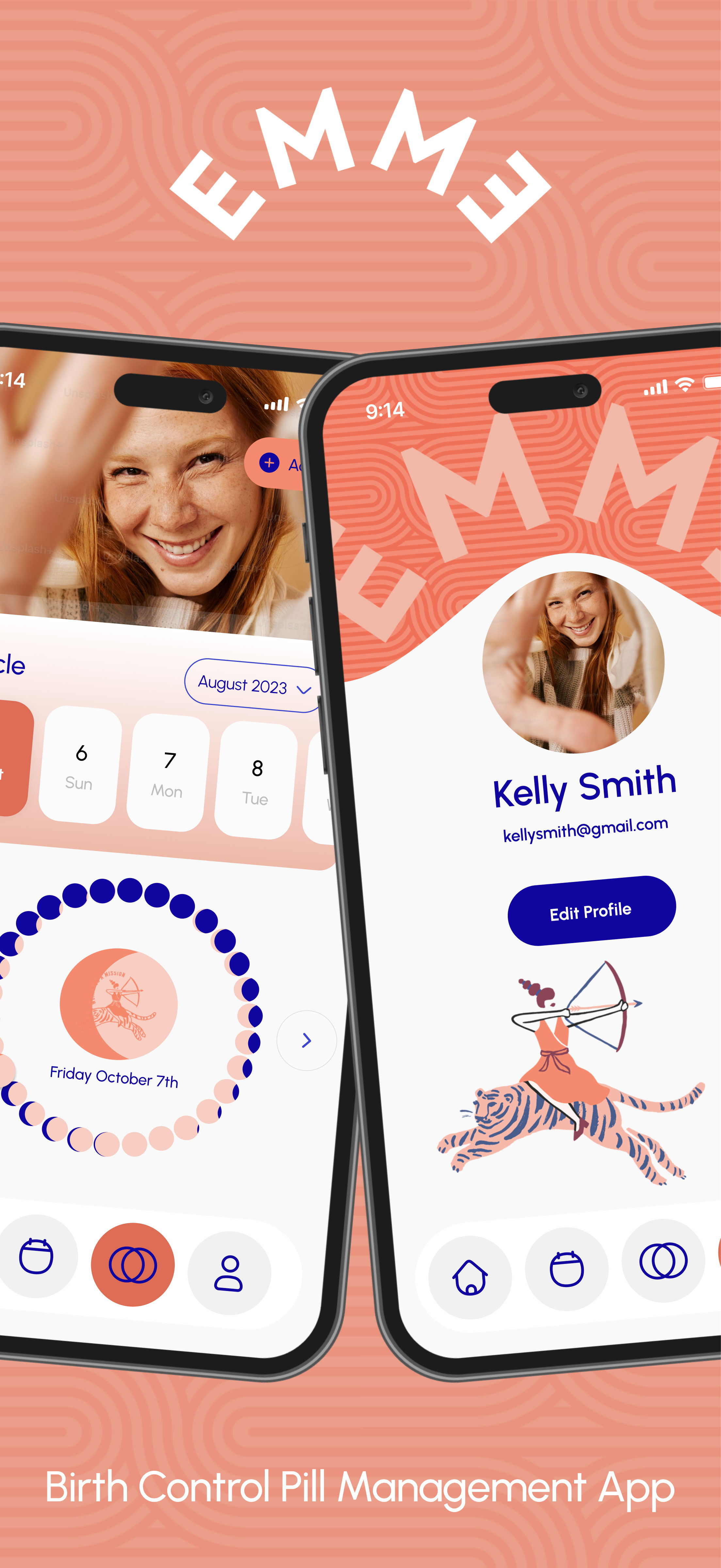
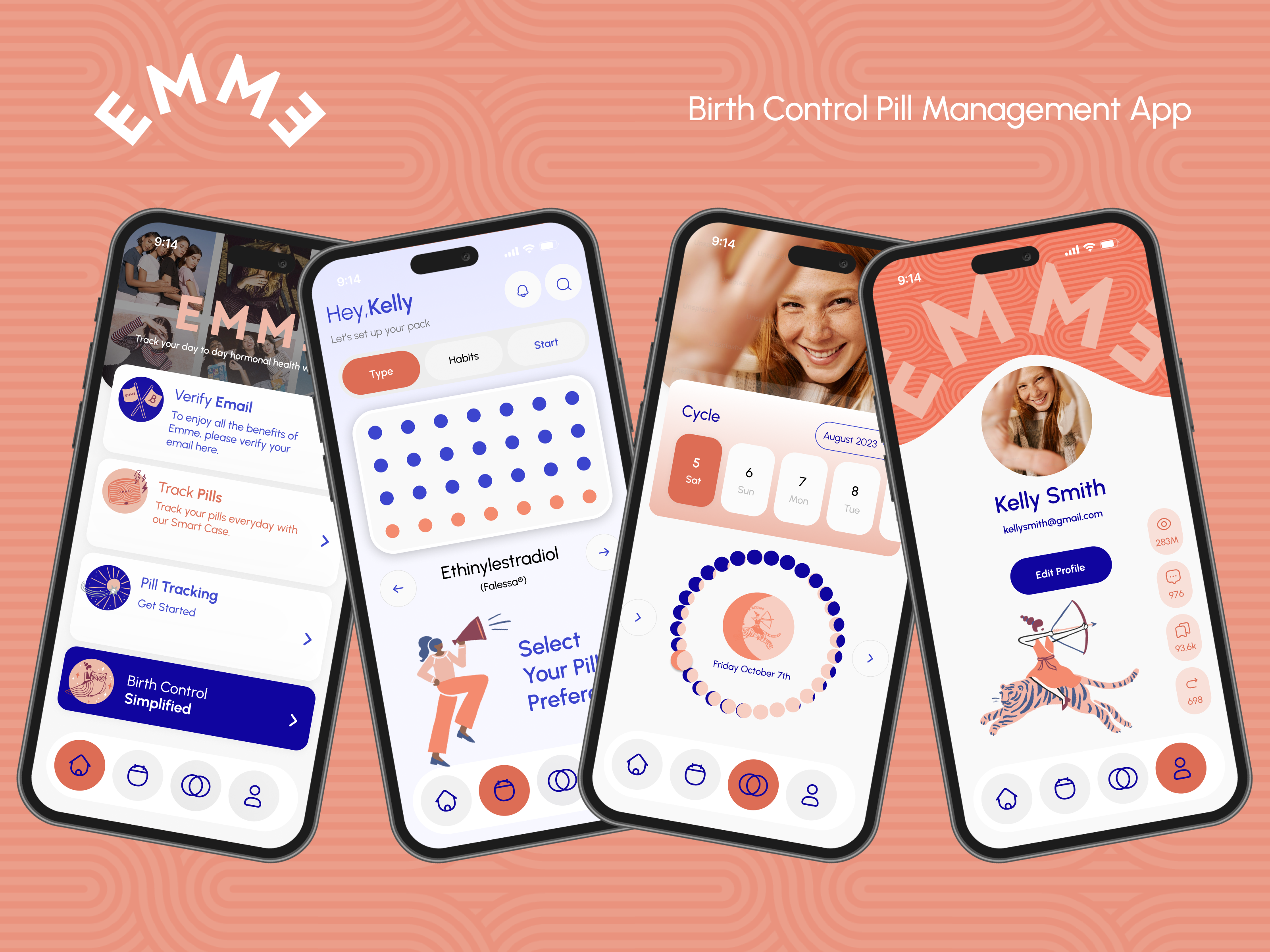
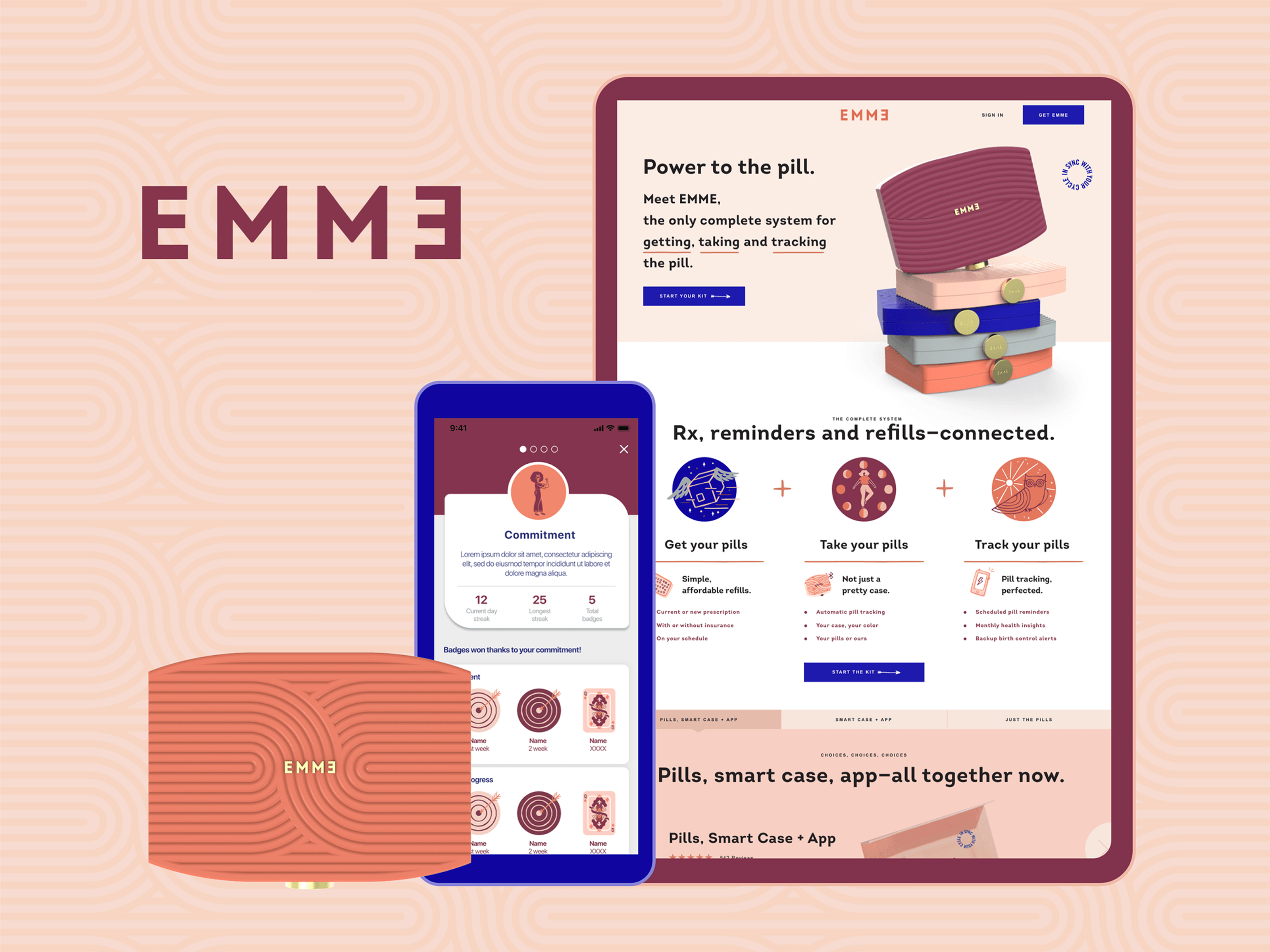
— Lemme introduce Emme
How did you design for trust in a product where accuracy really matters?
The experience had to feel calm, inclusive, and smart by default.

Clear signals, plain language, and no moments that felt judgmental or overly technical. I avoided anything that felt clever or showy and focused on making the system feel steady and predictable.

When the product fades into the background and becomes part of someone’s routine, that is when trust is real.
How did you balance simplicity with the complexity of tracking missed or late doses?
The complexity lived in the technology, not the experience. The system handled the thinking, the timing, and the reminders so the user did not have to.

My job was to wrap that capability in something that felt approachable and empowering instead of clinical or stressful. Simplicity came from straightforward language, clear layouts, and interactions that felt friendly without being casual about something important.

The experience needed to feel supportive and confidence-building. Fun where it could be, serious where it had to be, and always easy to understand at a glance.
How did you validate the core experience before building everything else?
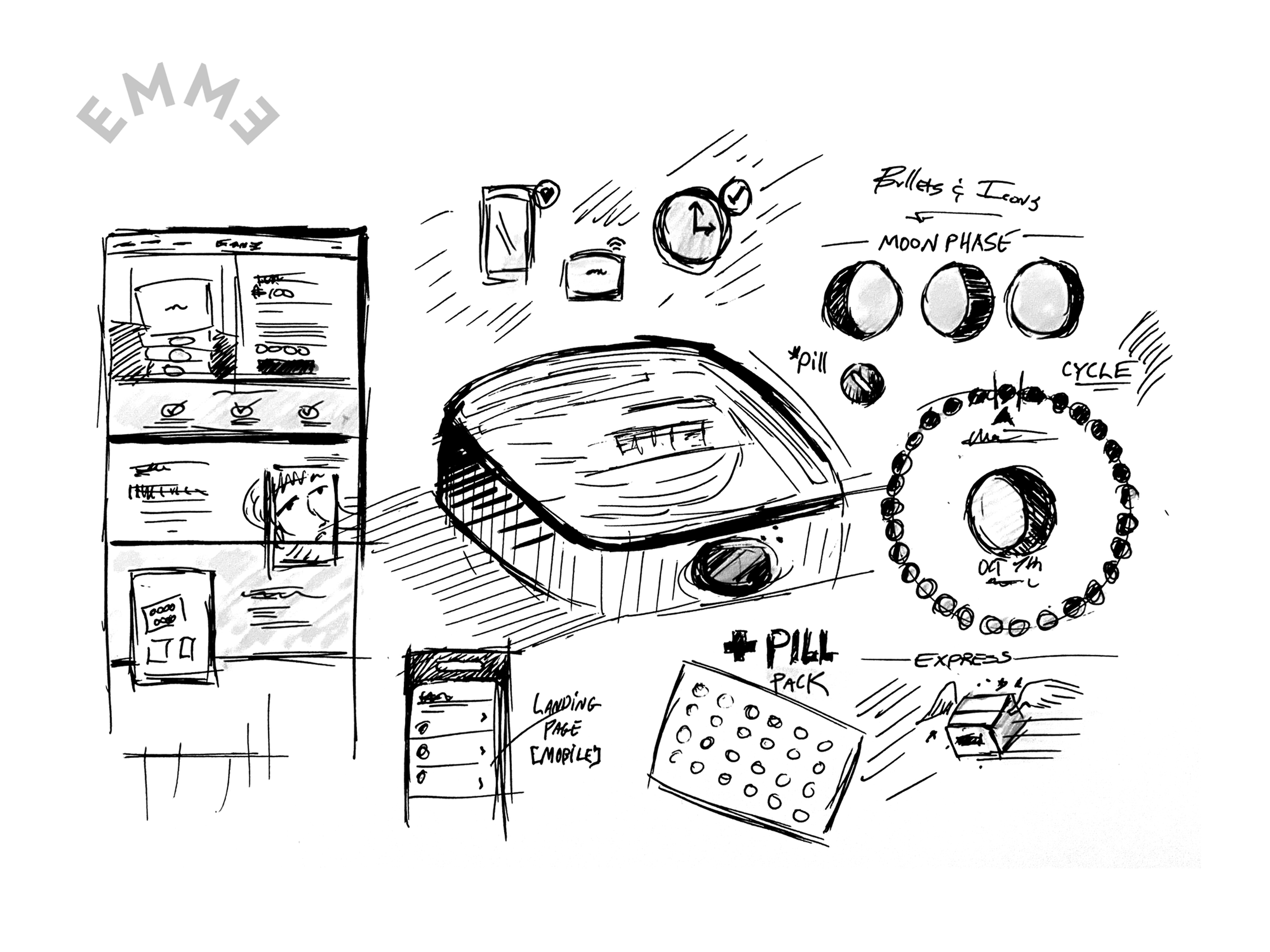
I leaned heavily on prototyping and early testing. Before building out the full platform, I created simple, interactive prototypes around the core moments and put them in front of people as quickly as possible.

Testing early made it obvious where things were unclear or overcomplicated. Fixing those issues at the prototype stage was fast and low risk, and it gave the team confidence that the core experience worked before investing time in everything else.
How did you decide what information to surface immediately versus what to keep in the background?
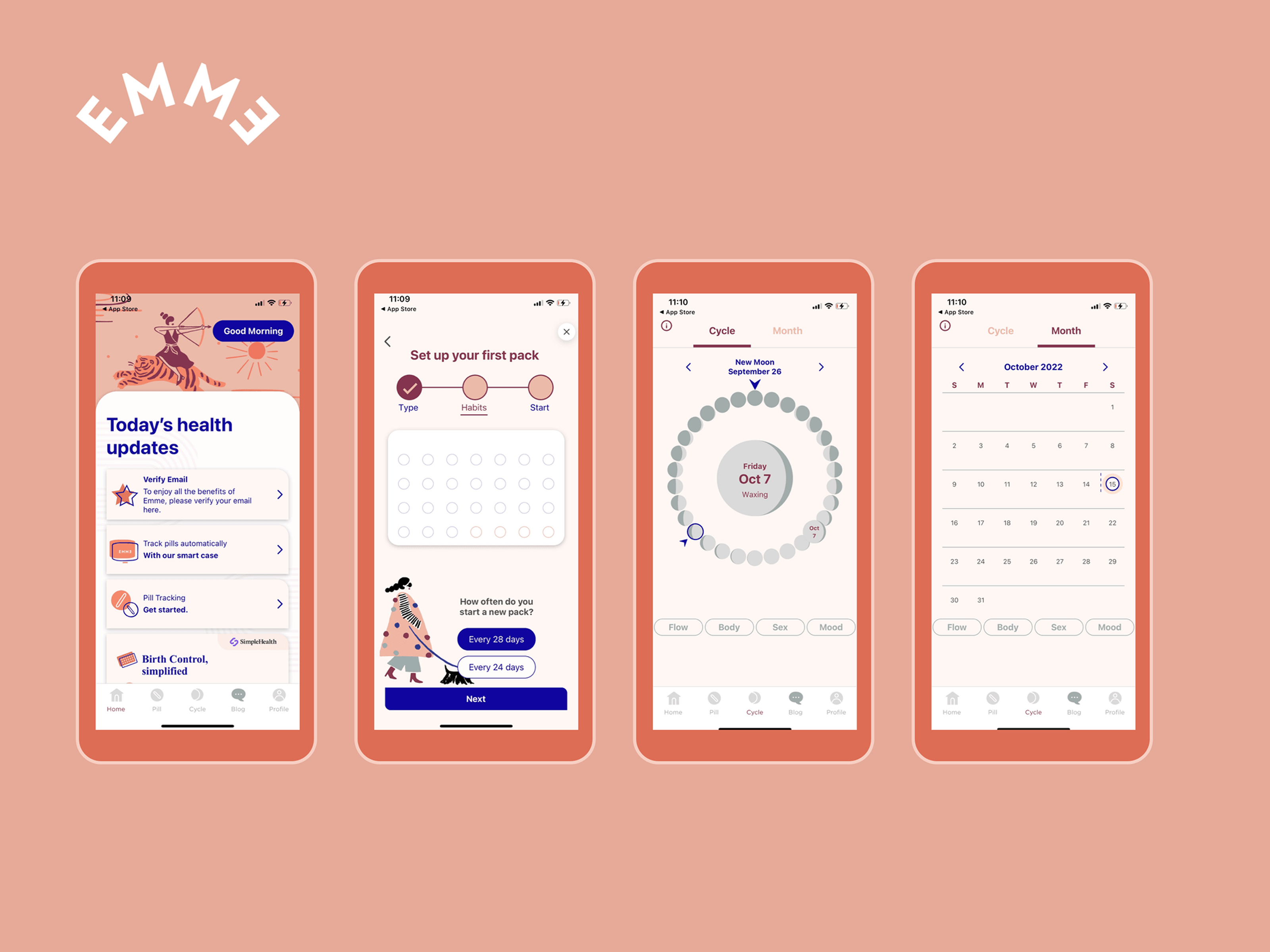
I focused on answering one question clearly: did I take my pill or not.

Anything that did not help answer that stayed in the background. Details were available when needed, but never competing for attention. Keeping the surface simple made the experience feel calm and trustworthy.
How did you design for a subject you were not the target user for?
I leaned heavily on research and direct feedback from the people the product was actually for, using their language, concerns, and habits to guide decisions.

Instead of designing from assumptions, I let the target audience validate the work as it took shape. Their feedback drove adjustments and helped ensure the experience felt relevant, respectful, and genuinely useful to the people it was meant to support.