You didn’t book an interview, but you kind of walked into one.
— Let’s look at NowWith
How did you approach designing a video shopping experience when there was no clear playbook yet?
In 2019, there were already a few smaller startups experimenting with live and social commerce, like NTWRK, Popshop Live, and ShopShops. Most of them treated selling as an event or a performance, closer to QVC than how people actually share products online.

We took a different approach. Instead of building a platform that asked creators to act like sellers, we designed around behavior that already existed. People were already talking about products they loved on video. The goal was to make selling feel like a natural extension of that, not a separate job or workflow.

Getting ahead meant keeping things lightweight and plug and play. If someone could share something they genuinely used and loved, and sell it without friction, that was the advantage. We focused less on big features and more on removing barriers so creators could start immediately and audiences could buy without thinking twice.
How did you make selling feel natural for creators?
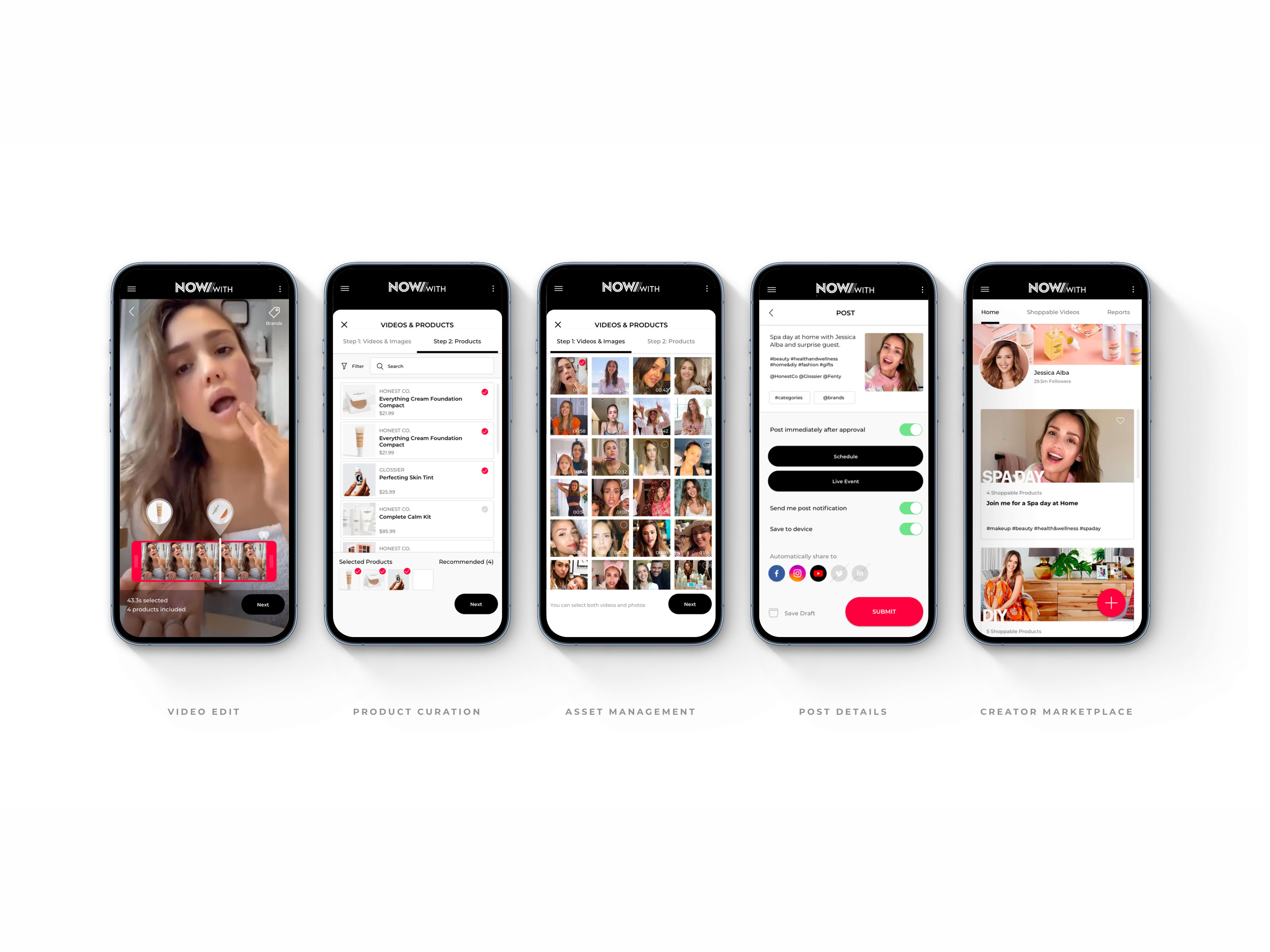
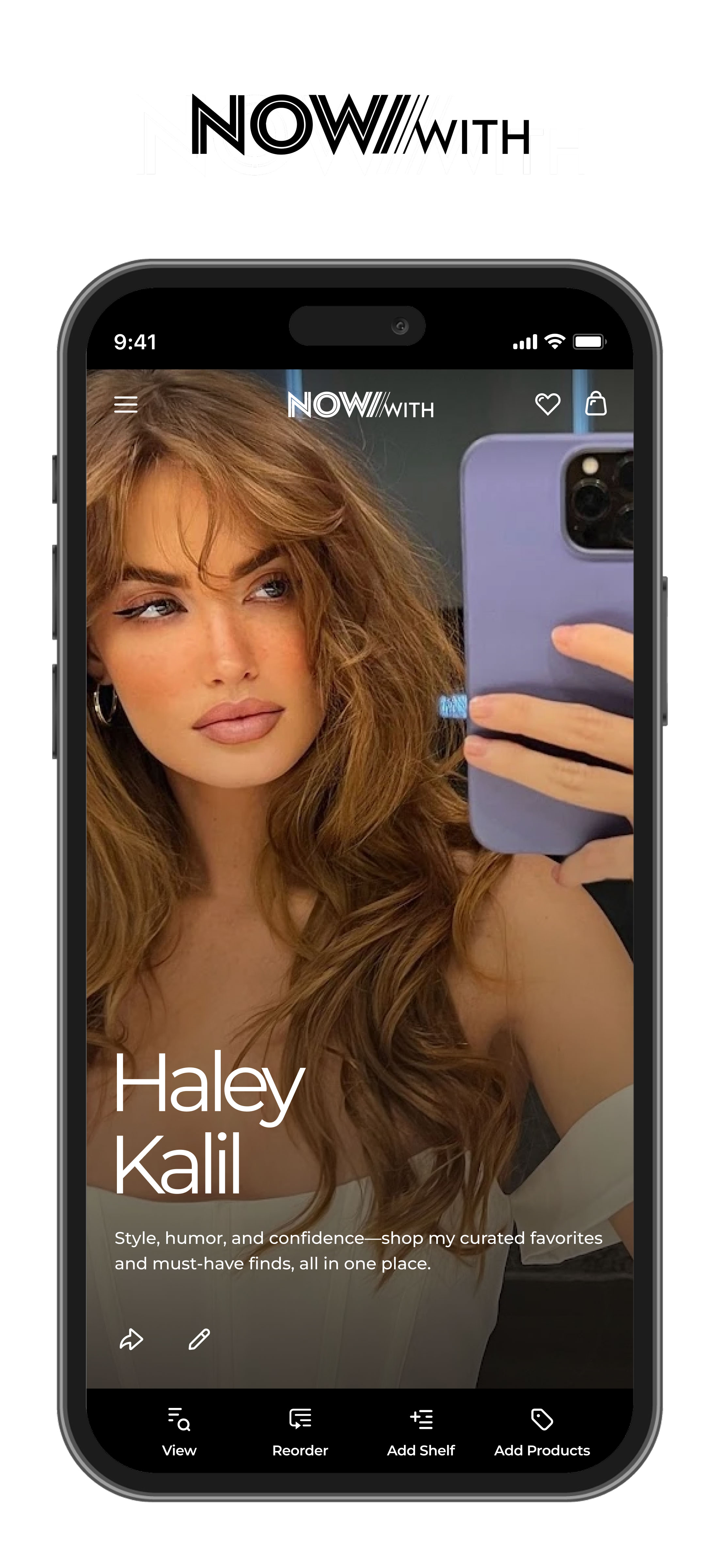
I designed the experience so selling never felt like a separate action. Creators could share products the same way they already shared recommendations, without changing their tone, format, or flow.

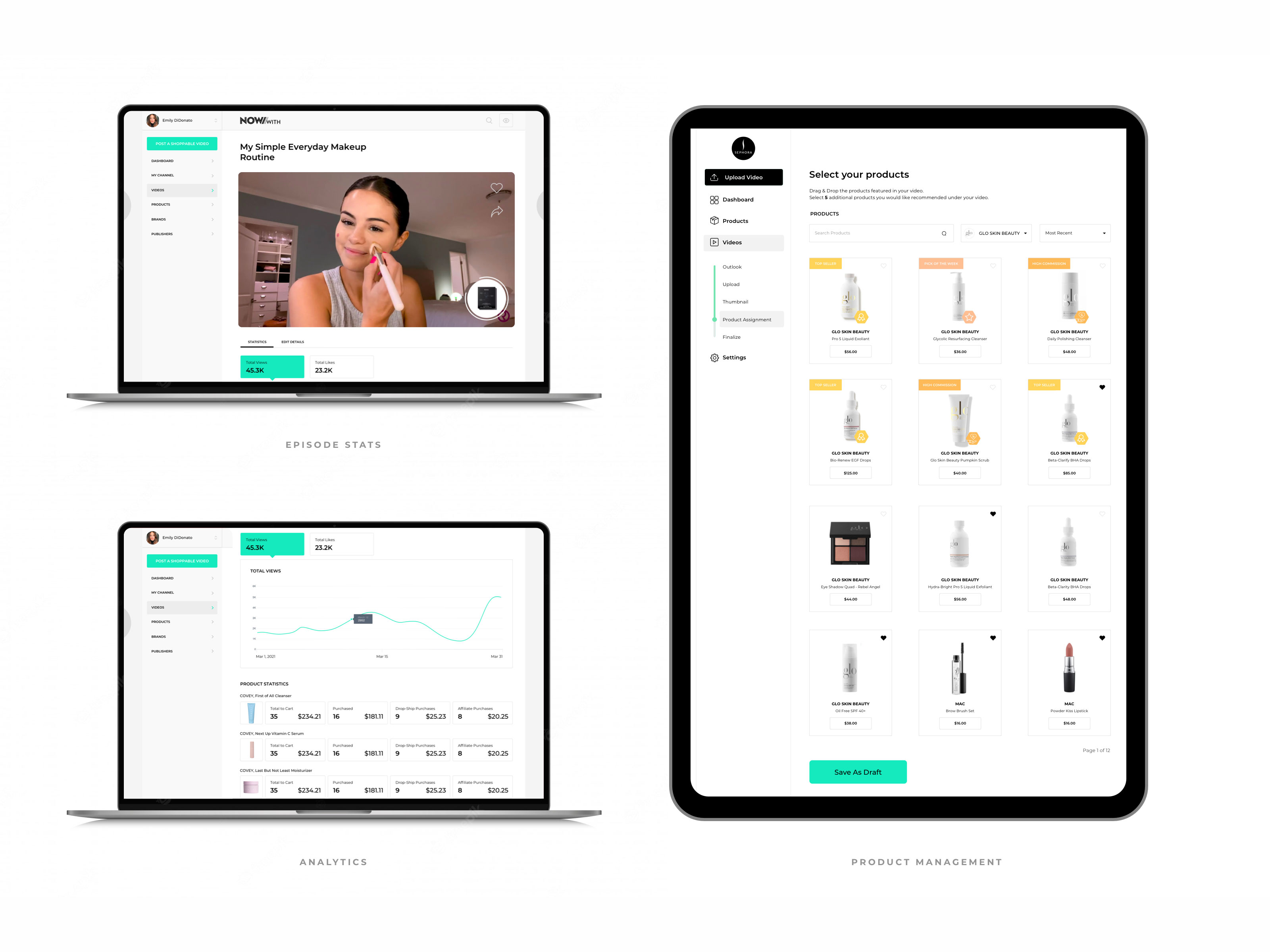
The tools stayed out of the way. Adding a product was fast, the buying moment was simple, and nothing interrupted the content itself. When creators did not have to think about “selling” and could just share what they liked, it felt natural to them and authentic to their audience.
How did you turn watching a video into a buying moment without breaking the flow?
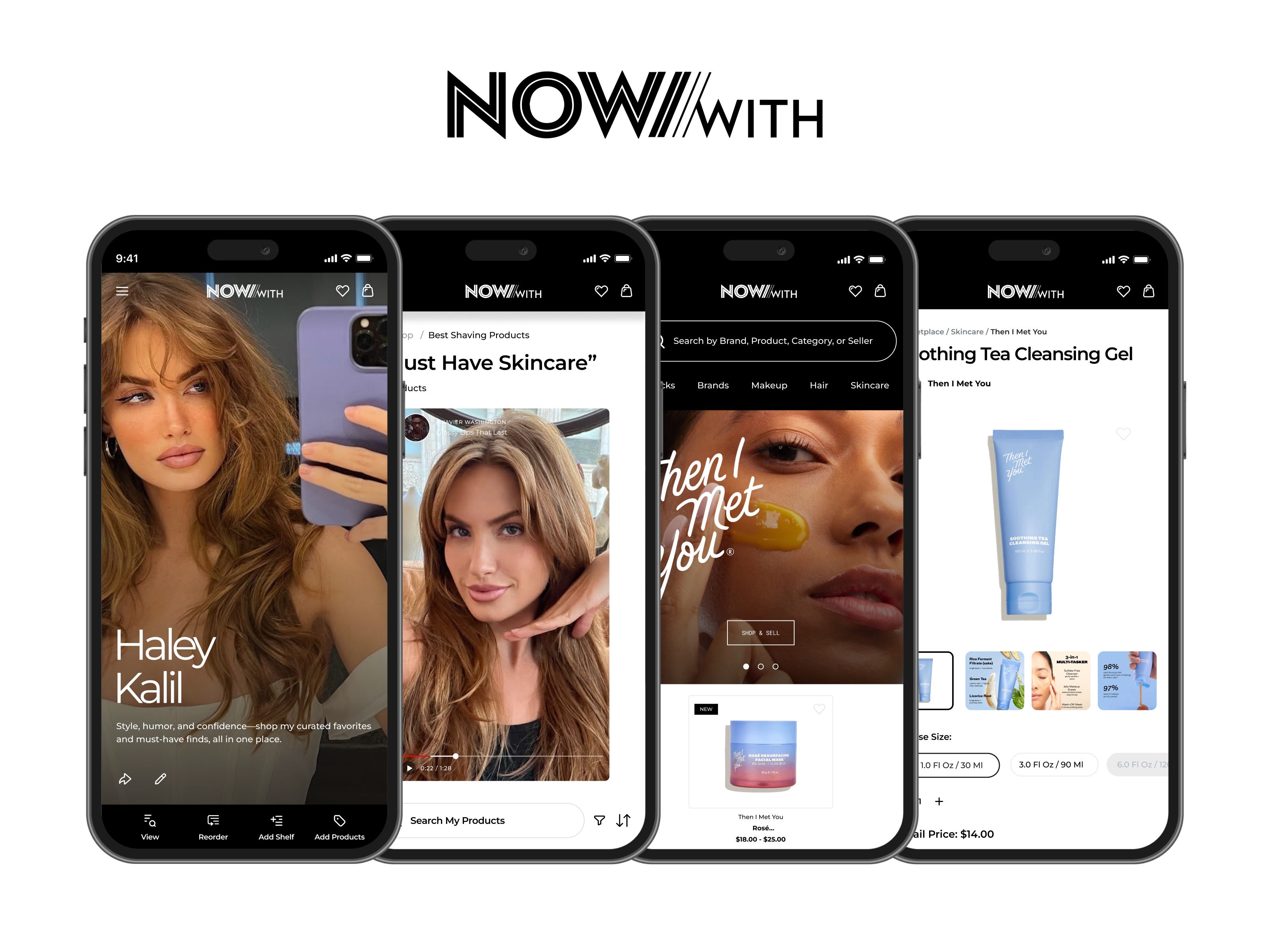
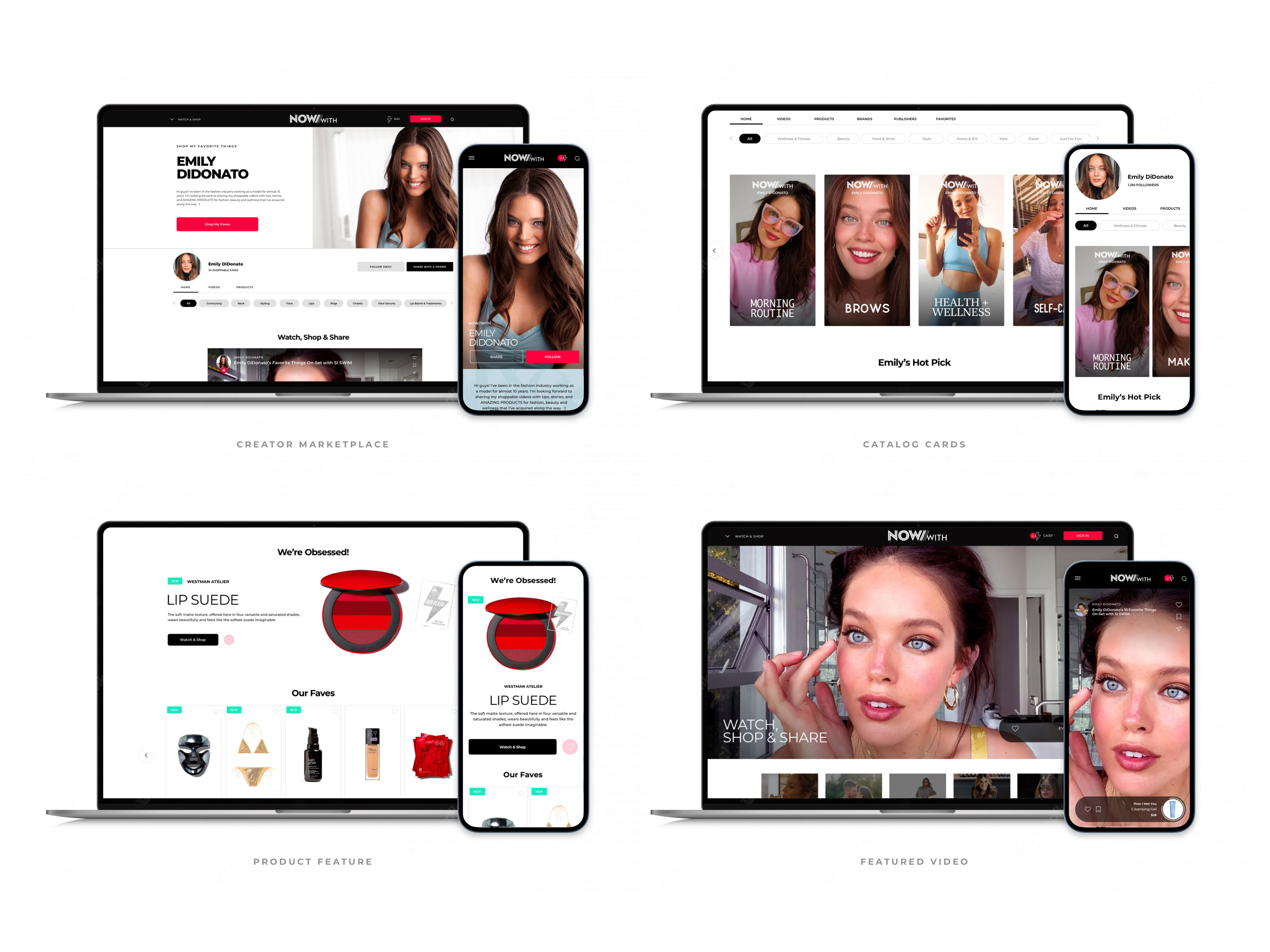
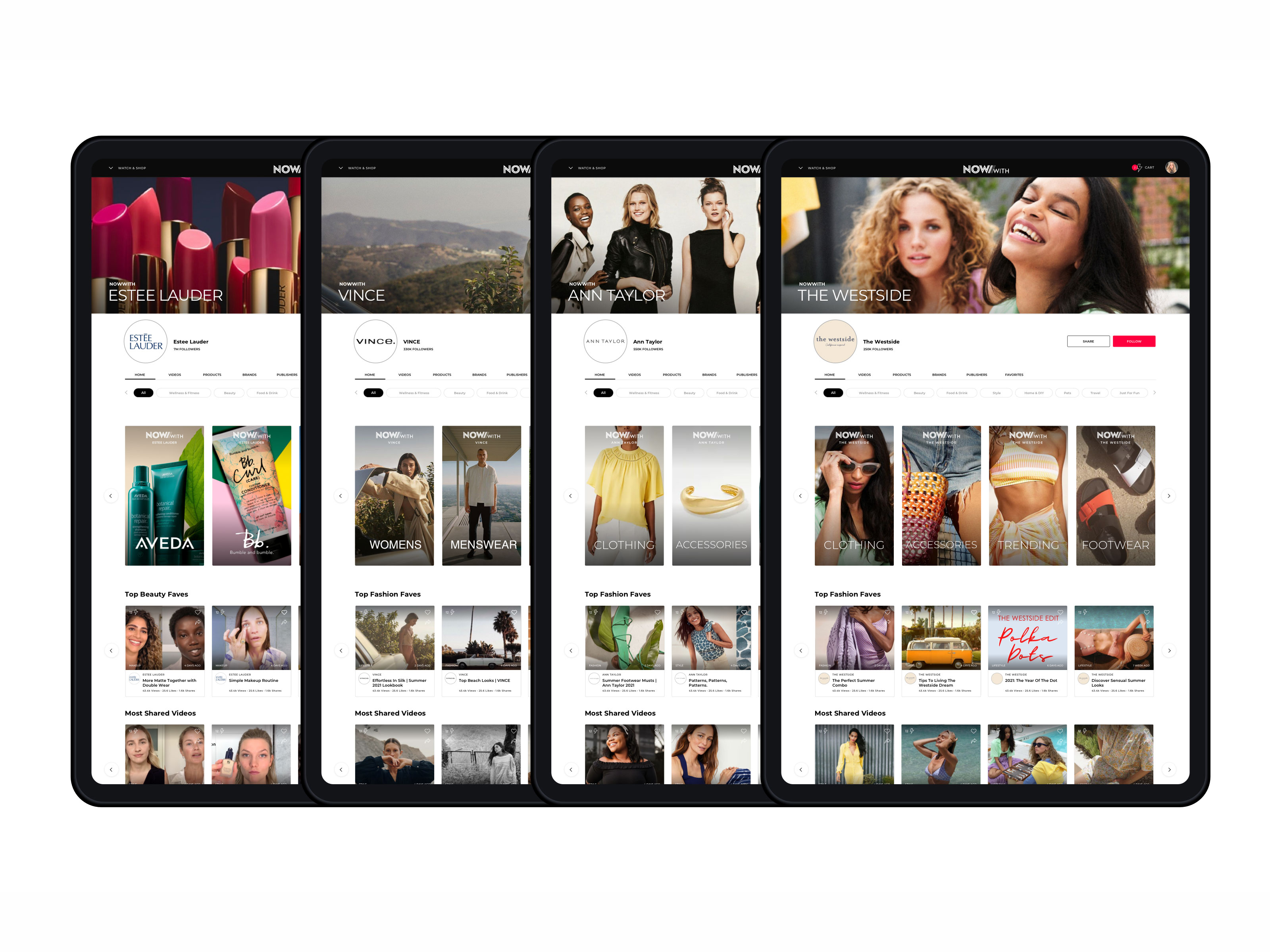
I treated the video as the main event and the purchase as a quiet extension of it. We built what we called the Player Layer, a lightweight shopping overlay that sat on top of the video instead of interrupting it.

The Player Layer kept product entry points simple and always within reach, without pulling attention away from the content. If someone wanted to buy, they could act right away. If not, the video kept playing. That approach made buying feel like part of watching, not a break from it.
How did you balance experimentation with the need for something stable and trustworthy?
I followed well understood patterns for cart and checkout so buying never felt new or risky. That part needed to feel familiar and solid.

Where I experimented was before that. I focused on the Player Layer and how products appeared during the video, testing different ways to introduce buying without interrupting watching. By keeping checkout standard and testing the preflow carefully, I could experiment without breaking trust.
What signals told you this was becoming real social commerce and not just shoppable video?
The signal was behavior, not hype. Creators were using it as part of how they shared, not as a separate selling moment, and buyers were purchasing without needing explanation.

People were watching, discovering, and buying in one motion. When creators did not have to push or explain how to buy, and audiences started treating the experience as normal instead of novel, it stopped feeling like shoppable video and started feeling like real social commerce.
What part of the experience did people misunderstand at first, and how did you fix it?
What surprised me was how much people trusted the creator, but still hesitated at the buying moment. The recommendation felt natural because it came from someone they followed or knew.

The hesitation showed up at the buying moment. People wanted reassurance that the transaction was real, safe, and reliable, even though they trusted the recommendation.

That shifted the focus to making the buying experience feel familiar and legitimate, so the trust people already had in the creator carried through to the purchase.
How did the product change once live, celebrity-driven video gave way to everyday creator content after COVID?
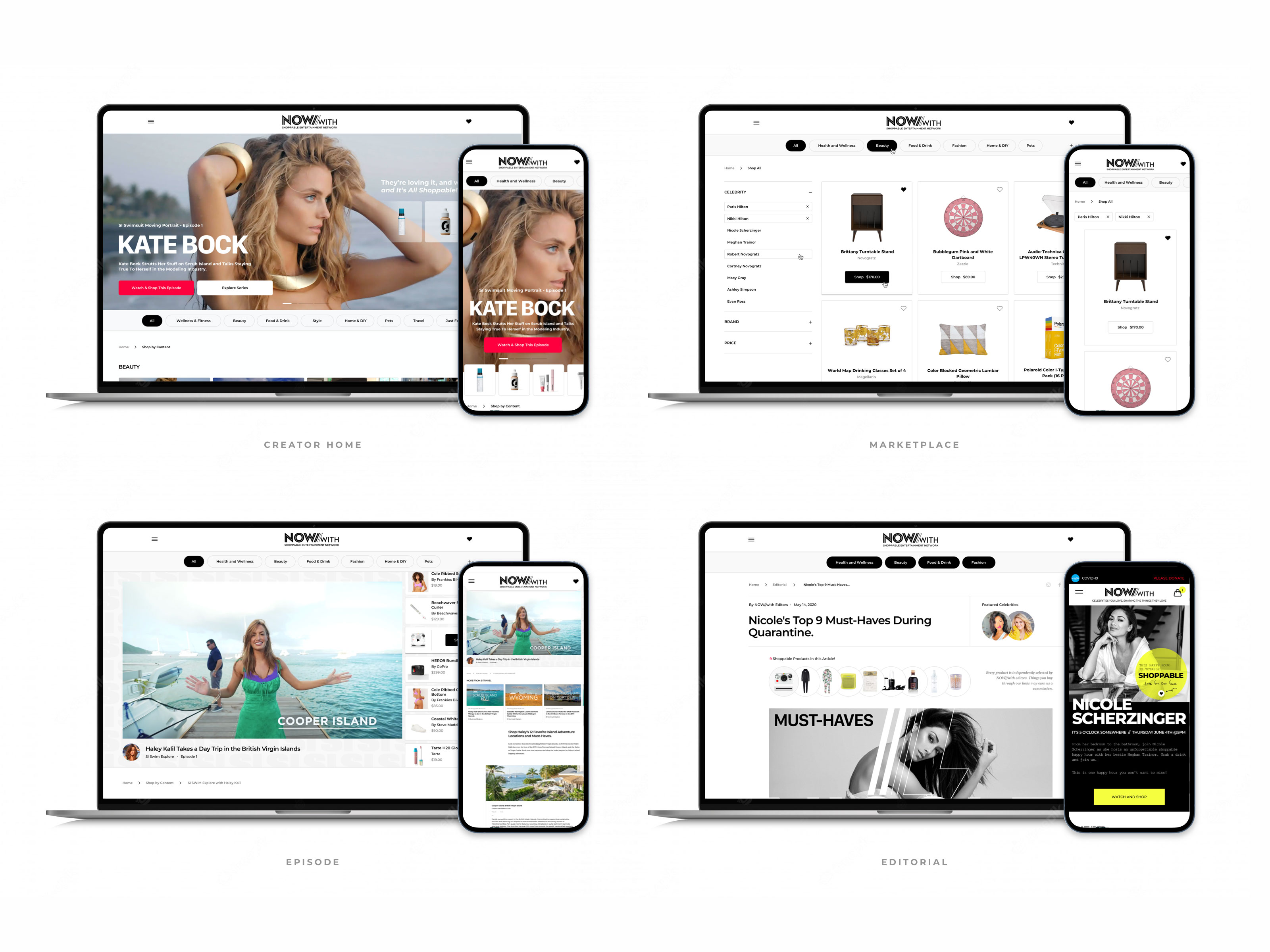
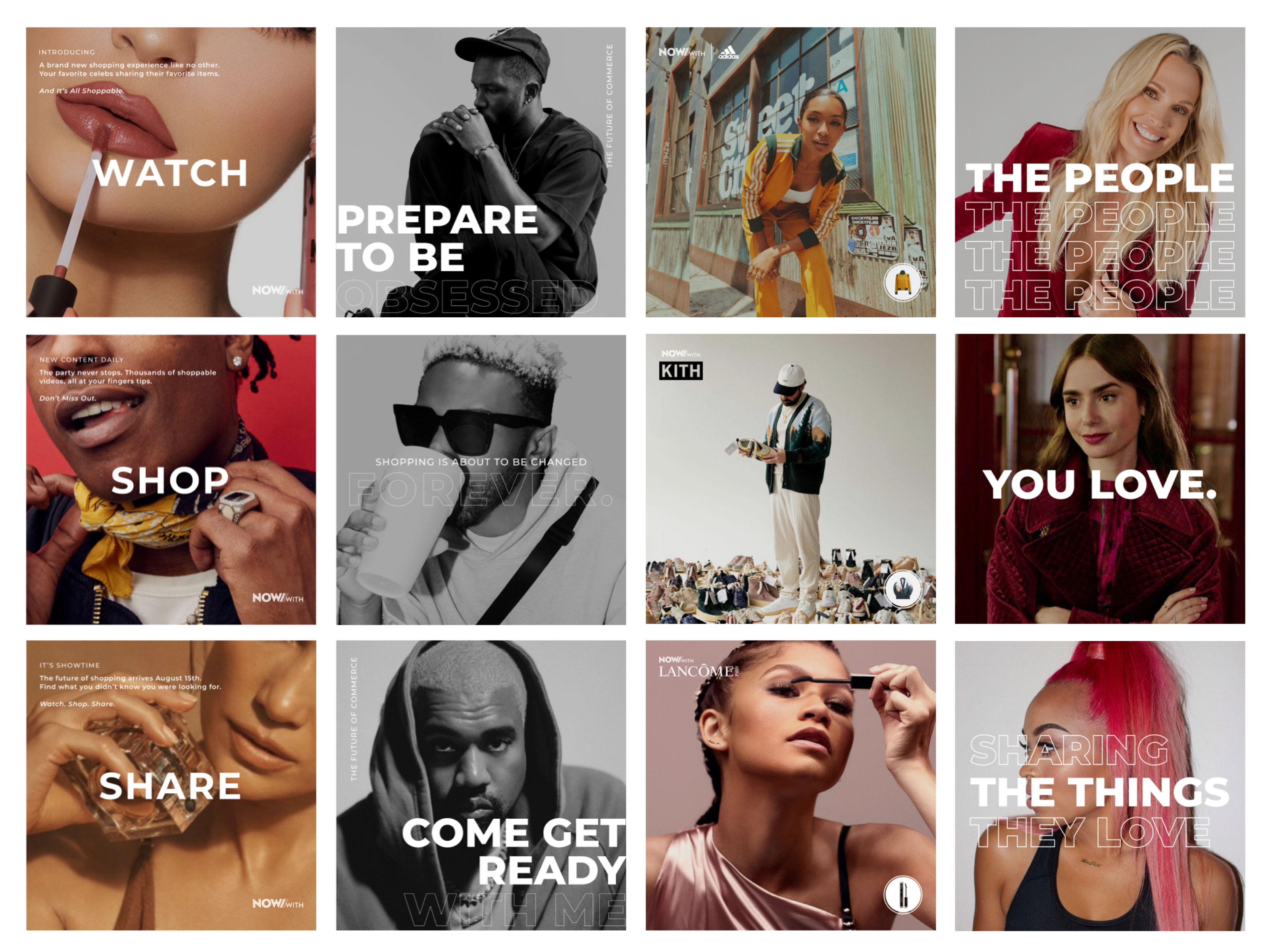
Early on, the focus was on big live moments and well-known creators, because that was how video shopping was expected to work. It looked impressive, but it also set a high bar that most people could not relate to or replicate.

After COVID, that shifted fast. People were watching and trusting everyday creators sharing from their own spaces, talking about products they actually used. The product had to support that change. We leaned into simplicity, removed the need for polished production, and made it easier for anyone to share and sell without feeling like they were performing.

That shift is what made the experience feel real and sustainable instead of staged.